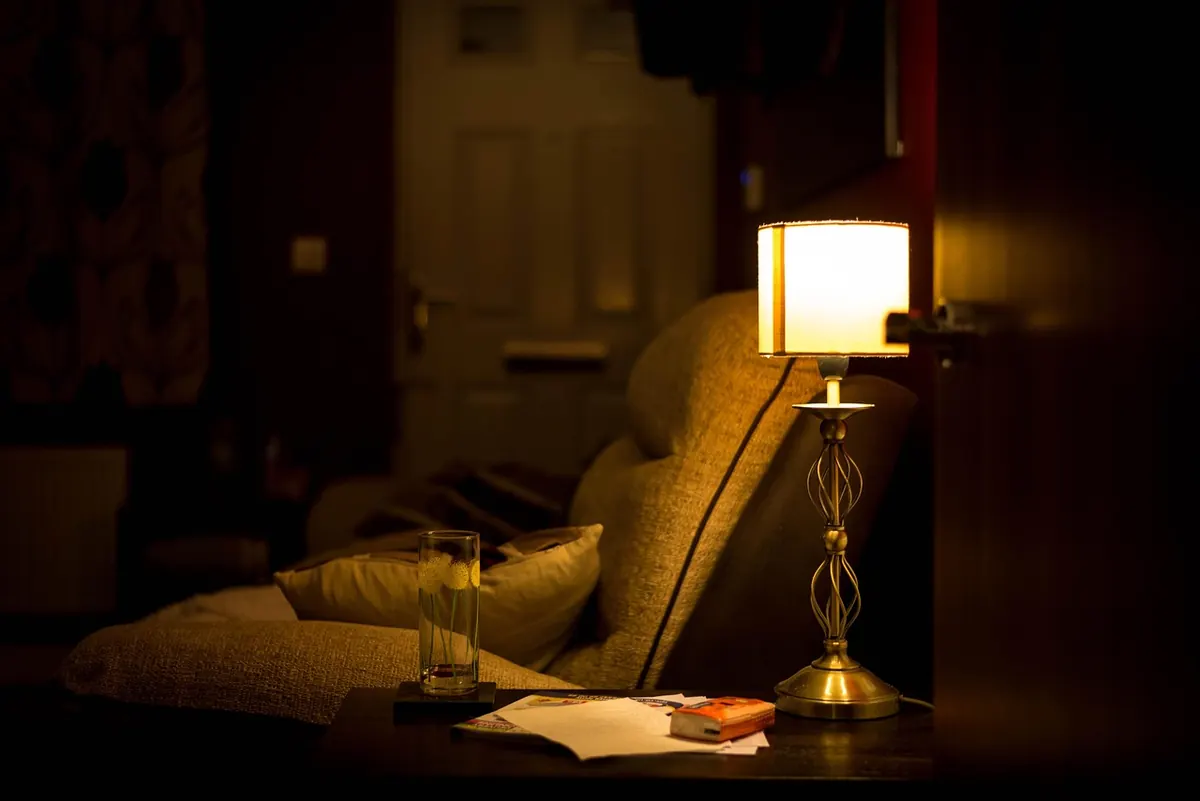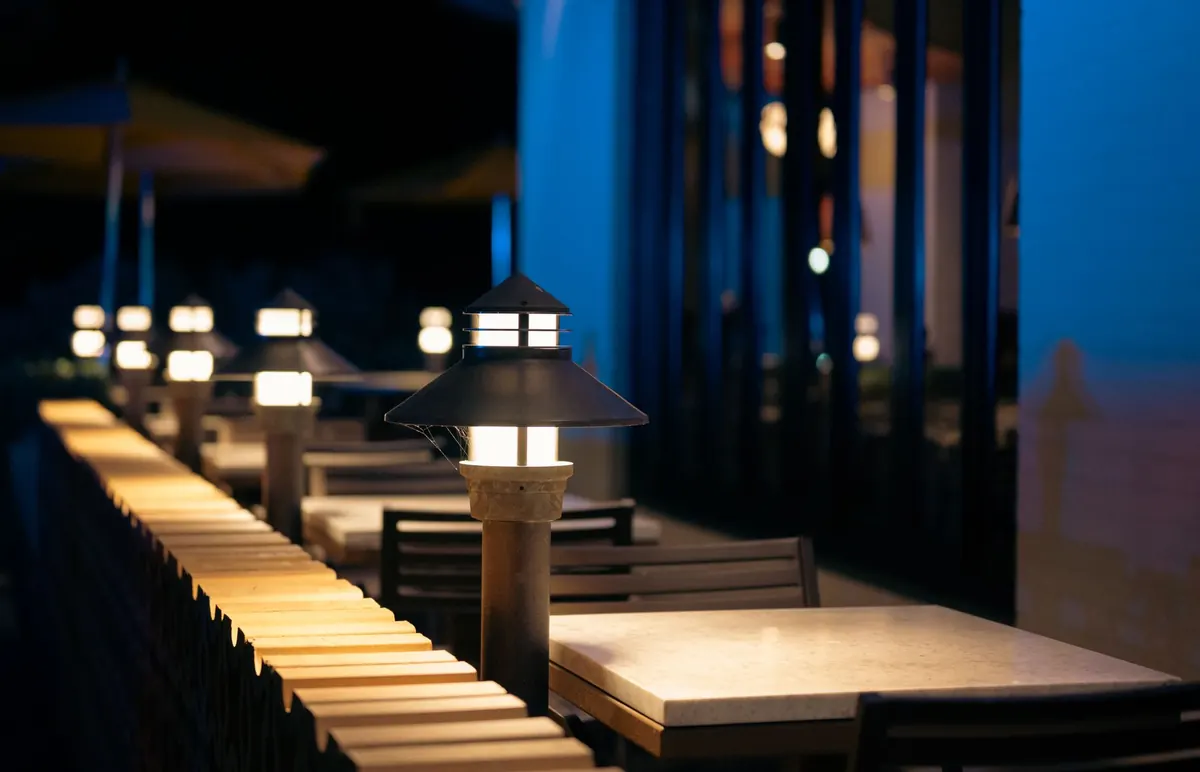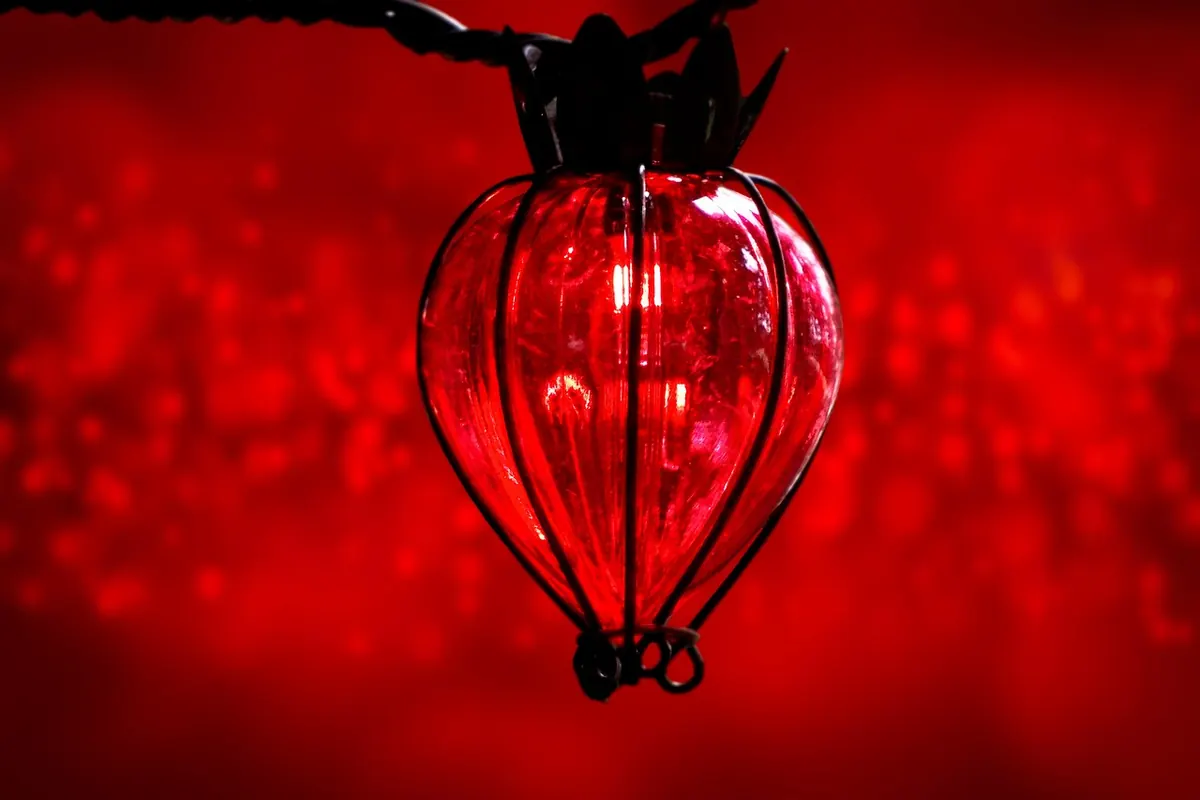
A lantern that spends the summer on a porch rail and the winter under a foot of snow tells you fast what it's made of. Glass picks up a hairline crack. Powder-coated steel blisters at the weld. Brass quietly turns the color of an old penny and somehow looks better for it.
So when you weigh glass against metal, there's no single winner. The material that survives best depends on where the lantern hangs, how hard the weather hits it, and how much upkeep you're willing to do. Here's how the two compare when wind, rain, and rust all get a vote.
First, a Reality Check on "Glass vs. Metal"
Almost every lantern is a hybrid. A glass lantern usually means glass panels seated in a metal frame — steel, aluminum, brass, or iron. A metal lantern often has glass panes too, or a punched tin body that throws patterned light. The real difference is which material carries the structure and takes the weather.
That matters because the two fail in different ways. Glass fails suddenly: a chip, a crack, a shattered pane. Metal fails slowly: a bubble of rust at a seam, a flaking coat of paint, a dent that never quite comes out. One is a repair, the other is a decline. Most buyers end up choosing whichever failure they can live with.
Rain, Wind, and Freezing Nights
Glass bodies
Rain alone won't hurt glass. What hurts glass is water that gets in and can't get out. A lantern with a solid, bowl-shaped base and no weep holes will hold an inch of water through a storm; when that freezes, expanding ice can crack the base or push a pane out of its frame. Look for drainage holes at the lowest point, and tilt the lantern slightly when you set it down so nothing pools.
Hail, falling branches, and a gust that tips the whole thing over are the other risks. Tempered glass handles a knock far better than cheap annealed panes, and when it does break, it crumbles into blunt granules instead of long shards. If you're buying for an exposed spot, tempered is worth insisting on.
Wind doesn't care much about material — it cares about weight and surface area. A tall, narrow lantern catches a lot of wind. A glass-bodied lantern has more heft and tends to stay put, but if it does tip, glass is what breaks.
Metal bodies
Metal sheds water well as long as the water can leave. The classic failure is a decorative base that collects rainwater and rusts from the inside out, invisible until the bottom gives way. Check that the lowest point of the body has a drain hole.
Metal also dents. A steel lantern knocked off its hook will likely survive with a crease; a glass one may not survive at all. In hail, small dents are cosmetic. In a freeze, sheet metal flexes where glass cracks.
Rust, Corrosion, and Patina
Not all metal rusts, and the differences are worth knowing before you buy:
- Mild steel and "wrought iron" style lanterns rust at welds, scratches, and anywhere powder coating chips. Rust creeps under the coating and lifts it off.
- Aluminum never rusts, but it oxidizes to a chalky white film and pits in salt air. Powder-coated aluminum is one of the best all-weather choices.
- Stainless steel is the most corrosion-resistant option for coastal spots. A 316-grade holds up near saltwater better than 304.
- Galvanized steel uses a zinc coating that sacrifices itself to protect the steel. It dulls to gray and can be repainted.
- Brass and copper won't rust structurally, but they patina, and the green verdigris can stain stone, wood, and porch paint beneath them.
A lantern rarely fails because of the material you chose. It fails at the joint where two materials meet.
That's why seams, screws, hinges, and the spot where a glass pane meets its frame deserve a close look. Water sits in those gaps. A stainless screw in a steel frame will rust the steel around it; bare metal at a weld is where the first blister appears. Whatever you buy, plan to touch up chips the same day you notice them — a dab of matching paint on clean, dry metal stops rust before it gets under the finish.
Weight, Stability, and the Mount You Already Have
A sheet-metal lantern is usually lighter than a glass-bodied one of similar size, because the walls are thin. Cast iron and solid brass are the exceptions — those can outweigh glass by a wide margin.
Weight matters in two directions. Heavier lanterns resist wind but load your hook, bracket, or railing. Lighter ones are easy to move for cleaning and easy for a gust to move for you. If your lantern hangs from a bracket screwed into a stud or a solid beam, take the heavier option. If it sits on a windowsill, a step, or a thin apartment railing — or you can't drill at all — go lighter and bring it inside when a storm is forecast. Don't trust a suction cup or a clamp on a hollow rail in real wind.
Check the base too. A wide, heavy base keeps a lantern upright when someone brushes past it. A tall lantern with a hollow base is the one that ends up on the patio stones.
Cleaning and Upkeep
Neither material is high-maintenance, but they ask for different things:
- Glass: wipe with glass cleaner or warm water and a soft cloth. For hard-water spots, a diluted white vinegar solution works; test it on an inconspicuous corner first, and never scrape a pane with an abrasive pad.
- Soot and smoke film: candle soot builds a dull gray layer on glass fast. Wash it off before it bakes on, and disassemble panels if the frame allows.
- Metal: mild soap and warm water, then dry thoroughly. Water left sitting in a seam is what starts trouble.
- Chipped paint: touch up immediately. On bare steel, a thin coat of oil or paste wax gives temporary protection until you repaint.
- Brass: polish if you want shine, leave it if you like the patina. Just know that moisture and airborne sulfur drive the change.
- End of season: empty any trapped water, dry the lantern, and store it indoors or under cover where snow and ice can't sit in it.
Exposed, Covered, or Somewhere In Between
- Fully exposed — coastal balcony, fence post, garden stake, open deck. Best bet: powder-coated aluminum or stainless steel body, tempered glass panes, real drainage holes. Skip untreated steel and anything with a bowl-shaped base.
- Covered porch or pergola — the easiest life for either material. Glass reads best here, because the flame or bulb is the whole point. Brass and copper age beautifully under a roof.
- Sheltered entry or hallway — glass-forward lanterns, even with thinner decorative frames. Weather isn't the enemy indoors; dust is.
- Windowsill or tabletop — a lightweight metal or small glass lantern, moved inside during storms. Check that the base won't scratch the surface.Photo: ELG21 / Pixabay